Wellness
16 Keys to Change Stinking Thinking

Stinking or negative thinking is our normal way of response when we encounter various stressful events. It stirs our minds and sometimes let us act irrationally. But at the end of the day, we come to our senses and think that our problems shall pass. However, some people stay on the dark side of life. They always believe that there’s no hope for them to solve their problems. They react very negatively on the situations that it distresses other people. Hence, it is safe to say that too much negative thinking does not only affect us but all the people around us. Because of this, it is important to distinguish healthy negative thinking and harmful stinking thinking.
Here are the helpful ways that can turn your stinking thinking into a constructive one.
1. Determining your thinking patterns.

Source: Pixabay
Our minds tend to deceive us and make us believe that what we’re thinking is the actual reality. We should determine our thinking patterns to change our negative thoughts. Some of the common distortions that our minds are creating are: black and white thinking, personalizing, filter thinking, and catastrophizing.
2. List down your daily negative thoughts.

Source: Pixabay
An excellent way to monitor ourselves every day is by listing down our negative thoughts. Whenever we think of unwanted thoughts, we should force ourselves to write it on our daily journal. Keeping notes would provide us a concrete proof that we should stop stinking thinking.
3. Replace your negative thinking.

Source: Pixabay
Many people assume that they can eliminate their negative thinking. This idea is not actually true. As humans, it is reasonable to have negative thoughts at some time; but overthinking it would lead to damaging effects on us. It is advised to replace and control our negative thinking. In starting this process, we must fully understand and recognize it.
4. Release negativity in a healthy way.

Source: Pixabay
Negative people have the habit of letting their negative thoughts stay on them. They dwell on it too much and get trapped by the negativity. One of the great ways to move forward is to release it healthily. You can allow yourself to feel pity for the mistakes that you’ve done. You can do it for 10-15 minutes then prepare to move on to the other opportunities.
5. Practice gratitude.

Source: Pixabay
Being gratitude lets us feel grateful with small things. As we face challenges, we can be reminded that there are things that we should be thankful. Jotting it down is an effective way to identify simple yet essential things that we have.
6. Establish your strengths.

Source: Pixabay
Concentrating on your strengths helps to set aside your negative thoughts. Continually doing this would redirect you to a better and positive outlook in life.
7. Find things that you love and appreciate.

Source: Unsplash
Since we can’t entirely eliminate our negative thoughts, the only way we can do about it is to manage it. Another effective way of replacing our negativity is to make an effort to find things that we love and appreciate. It can be anything that lessens our negative thinking. A simple food or movie are some of the simple things that can distract you from habitual thinking pattern.
8. Raise tough and objective questions for yourself.

Source: Pixabay
Take time to evaluate yourself. After that, you can ask tough and objective questions that would guide you to the factors of having stinking thinking.
9. Block any additional negative things.

Source: Pixabay
As possible, you should avoid things that would contribute to your existing negativity. Violent news, social media, and being with toxic people are some contributing factors that would worsen your way of thinking.
10. Create new habits.

Source: Pixabay
You can develop new habits instead of conquering your negative thinking. By doing this, you can be more focused on your new and positive habits.
11. Encourage yourself.

Source: Pixabay
As you wake you, consciously encourage yourself. Tell something good about yourself, such as your hair, your health, and your family. This could attract positive vibes that you could bring throughout the day.
12. Cultivate your new thinking pattern and routine.

Source: Pexels
Setting a new pattern and sticking to it takes time, but it would be your gateway to the positive outlook in life. You don’t have to create big goals for yourself. Taking little steps is much convincing in changing your way of thinking than setting grand expectations.
13. Prayer and Meditate.

Source: Pixabay
Prayer helps you gather your thoughts and concerns and talk to your Higher Power.
14. Objectively handle your negative thinking.

Source: Pixabay
Dealing with your negative thinking patterns involves proper assessment. You can start recognizing it and dealing with it by deceiving your mind to redirect your negative thoughts to constructive ones.
15. Take time to be kind to others.

Source: Pixabay
Each day you can do a random act of kindness to other people. Continually doing it would develop positive feelings and establish a healthy relationship with people around you.
16. Seek professional support.

Source: Pixabay
If you think that you can’t change your stinking thoughts by yourself, it is best to seek professional help. Counselors and life coaches can design specific programs that would help you to cope with your negative thinking patterns.

Featured
Party’s Over: Unraveling the Mystery of Hangxiety

“Hangxiety” is a term used to describe the feelings of anxiety, unease, or nervousness that can occur during or after a period of heavy alcohol consumption, particularly during a hangover. While it’s not a formal medical term, it does reflect a real phenomenon experienced by many individuals.
The science behind hangxiety involves several factors:
- Alcohol’s Effects on Neurotransmitters: Alcohol affects the levels of neurotransmitters in the brain, including serotonin and gamma-aminobutyric acid (GABA). Serotonin is a neurotransmitter associated with mood regulation, and alcohol can temporarily increase serotonin levels, leading to feelings of relaxation and euphoria. However, as alcohol levels decline, serotonin levels may drop, contributing to feelings of anxiety and dysphoria.
- Alcohol Withdrawal: Hangxiety can also be a result of alcohol withdrawal symptoms experienced during a hangover. As the body processes alcohol and its effects wear off, individuals may experience symptoms such as sweating, trembling, increased heart rate, and feelings of anxiety.

- Disrupted Sleep: Alcohol consumption can disrupt sleep patterns, leading to poor-quality sleep or difficulty falling asleep. Sleep disturbances can contribute to feelings of anxiety and irritability the following day.
- Dehydration and Electrolyte Imbalance: Alcohol is a diuretic, meaning it increases urine production and can lead to dehydration. Dehydration, along with the loss of electrolytes such as potassium and magnesium, can exacerbate feelings of fatigue, weakness, and anxiety.
- Impact on the Amygdala: The amygdala is a region of the brain involved in processing emotions, including fear and anxiety. Chronic alcohol consumption can affect the function of the amygdala, potentially leading to heightened anxiety responses.
- Psychosocial Factors: Hangxiety may also be influenced by psychosocial factors such as individual personality traits, coping mechanisms, social environments, and the presence of underlying mental health conditions.

It’s important to note that while alcohol may temporarily alleviate feelings of anxiety in the short term, excessive or prolonged alcohol consumption can exacerbate anxiety and contribute to the development of anxiety disorders over time. If hangxiety or alcohol-related anxiety becomes a frequent or concerning issue, seeking support from a healthcare professional or mental health provider is advisable. Additionally, practicing moderation in alcohol consumption and prioritizing self-care strategies such as adequate sleep, hydration, and stress management can help mitigate hangxiety and promote overall well-being.
Featured
Your Fork: Friend or Foe to Your Feelings


Ever experienced a sudden shift in mood after indulging in your favorite comfort food? The connection between what we eat and how we feel is a complex yet fascinating one. In this article, we delve into the intriguing world of how certain foods can significantly impact our emotional well-being.
Get ready to uncover the science behind why that bowl of leafy greens or decadent square of dark chocolate might just hold the key to a brighter, more balanced state of mind. From exploring the gut-brain connection to discovering the power of mood-boosting superfoods, embark on a journey that promises insights, strategies, and a newfound appreciation for the profound influence our diets have on our overall happiness.
The Gut-Brain Connection: How Your Digestive System Impacts Your Mood

Our digestive system is not just responsible for processing food; it also plays a crucial role in shaping our mood and emotional well-being. The gut-brain connection, known as the enteric nervous system, communicates bidirectionally with the central nervous system, influencing our thoughts and feelings. Research suggests that a healthy gut contributes to better mental health by producing neurotransmitters like serotonin and regulating inflammation.
Furthermore, disruptions in gut health have been linked to conditions such as anxiety and depression. By nurturing our gut with probiotic-rich foods like yogurt, kefir, and kimchi, we can support a flourishing microbial ecosystem that positively impacts our mood. Maintaining a balanced diet with plenty of fiber from fruits, vegetables, and whole grains is key to promoting gut health and fostering a harmonious relationship between our digestive system and brain.
Serotonin and Dopamine: The Happy Hormones

Serotonin and dopamine are neurotransmitters known as the “happy hormones” due to their role in regulating mood and emotions. Serotonin helps to promote feelings of well-being and happiness, while dopamine is associated with pleasure and reward. Both play a crucial role in maintaining a positive outlook on life.
Consuming foods that support the production of serotonin and dopamine can have a direct impact on your mood. Foods rich in tryptophan, such as turkey, nuts, and seeds, can boost serotonin levels. Meanwhile, dopamine production can be supported by foods high in tyrosine, like bananas, avocados, and eggs. By incorporating these nutrient-rich foods into your diet, you can enhance your brain’s ability to regulate mood and experience greater emotional resilience.
Foods That Boost Your Mood: A Guide to Nutrient-Rich Options
When it comes to enhancing your mood through food, incorporating nutrient-rich options can make a significant difference. Foods high in omega-3 fatty acids, such as salmon and walnuts, have been linked to lower rates of depression and anxiety. Additionally, dark leafy greens like spinach and kale are packed with magnesium, a mineral known for its calming effects on the nervous system.
Include vibrant berries in your diet for a dose of antioxidants that can combat oxidative stress and inflammation in the body, ultimately benefiting your mental well-being. Legumes like lentils and chickpeas provide a steady source of energy due to their high fiber and protein content, helping stabilize blood sugar levels and prevent mood swings. By prioritizing these nutrient-dense foods, you can nourish both your body and mind for optimal emotional health.
Mindful Eating: How Slowing Down Can Improve Your Emotional Well-Being
Embracing the practice of mindful eating involves savoring each bite, appreciating the flavors and textures, and truly engaging with your meal. By slowing down and paying attention to what you are consuming, you can enhance your emotional well-being. When you eat mindfully, you are more likely to make healthier food choices, leading to a positive impact on your mood and overall outlook on life.
Take a moment to pause before diving into your meal. Notice the colors on your plate, inhale the aromas, and chew slowly to fully experience the taste sensations. Mindful eating not only nourishes your body but also nourishes your soul. It allows you to cultivate a deeper connection with food and promotes gratitude for the sustenance it provides. Let each meal be a moment of mindfulness and self-care, bringing joy and contentment to your daily routine.
Hydration and Mood: The Surprising Link Between Water Intake and Emotions

Water, the elixir of life, not only quenches your physical thirst but also plays a crucial role in regulating your mood. Dehydration has been linked to increased feelings of anxiety, fatigue, and irritability. Studies suggest that even mild dehydration can negatively impact cognitive function and mood stability.
Ensuring adequate hydration levels throughout the day can enhance your overall well-being, leading to improved focus, concentration, and a more positive outlook on life. By simply sipping on water regularly, you are not just nourishing your body but also uplifting your spirits. Remember, staying hydrated is not just about maintaining physical health; it’s about nurturing your emotional wellness too.

The Power of Superfoods: Incorporating Mood-Boosting Ingredients Into Your Diet
Superfoods are nutrient-dense ingredients that can positively impact your mood and overall well-being. Incorporating these powerhouse foods into your daily diet can provide a natural boost to your mental health. Foods like berries, leafy greens, fatty fish, and nuts are rich in antioxidants, omega-3 fatty acids, and vitamins that support brain function and help regulate neurotransmitters linked to mood.
By including superfoods in your meals, you not only enhance your physical health but also uplift your spirits. Imagine starting your day with a vibrant smoothie bowl packed with colorful fruits and seeds, or enjoying a nourishing salad loaded with avocado and quinoa for lunch. These delicious choices not only nourish your body but also feed your soul, leaving you feeling energized and emotionally balanced.
Meal Planning for Better Mental Health: Strategies for Creating Balanced and Nourishing Plates
Creating balanced and nourishing plates is essential for supporting optimal mental health. Start by incorporating a variety of colorful fruits and vegetables to ensure you are getting a wide range of vitamins, minerals, and antioxidants. Aim to include lean proteins such as chicken, fish, or tofu to support neurotransmitter function and stabilize blood sugar levels.
Additionally, don’t forget to include healthy fats like avocados, nuts, and olive oil in your meals. These fats are crucial for brain health and can help improve cognitive function. Lastly, consider portion control and mindful eating practices to savor each bite and appreciate the nourishment you are providing your body. By taking the time to plan balanced meals, you are not only supporting your physical health but also enhancing your mood and overall well-being.
Building Healthy Habits: Small Changes That Can Make a Big Difference
When it comes to improving your mood through diet, incorporating small but consistent healthy habits can have a profound impact on your overall well-being. Start by adding colorful fruits and vegetables to each meal, aiming for a variety of nutrients that support brain health. Swap sugary snacks for handfuls of nuts or seeds rich in omega-3 fatty acids, known for their mood-boosting properties.
Additionally, prioritize mindful eating by savoring each bite and paying attention to hunger cues. Setting a regular eating schedule can help stabilize blood sugar levels and prevent mood swings. Remember, building healthy habits is about progress, not perfection—celebrate every positive choice you make towards nourishing both your body and mind.

As we conclude our exploration of how certain foods can impact our mood, it becomes evident that our dietary choices play a crucial role in our emotional well-being. By understanding the intricate relationship between what we eat and how we feel, we empower ourselves to make informed decisions for a healthier mind and body.
By incorporating nutrient-rich foods, practicing mindful eating habits, and prioritizing hydration, we can cultivate a positive environment within ourselves that promotes mental clarity and emotional stability. Remember that small changes in your diet can lead to significant improvements in your overall mood and quality of life. Embrace the power of food as a tool for nourishing not just your body, but also your soul.
Visit Our Bookstore – https://myrecoveryroad.com/shop/
Wellness Tracker
On the Recovery Road? Need Encouragement? Need to Track Food, Mood and H2O intake?

God’s Promises for the Recovery Road
3 in One Journal/Tracker/Coloring Pages
Coloring Pages
Make this Journal Yours! The Front and Back Cover designed for you to color and make it your Recovery Journey
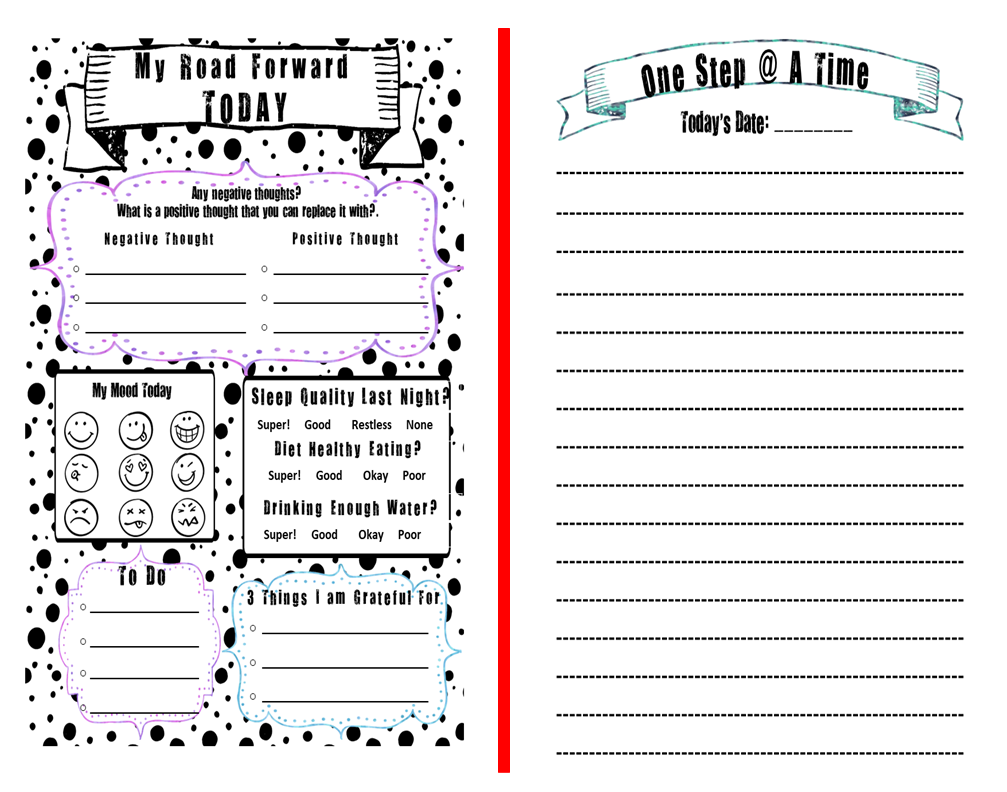
Wellness Tracker & List
Identify Unhealthy Self-Talk and Replace it with Healthy Thoughts
Food, Mood, Sleep, and Water Tracker
To Do List
Grateful List
Journal
Lined Journal/Notebook/Dairy
Wellness
Transform Your Life in 10 Minutes! Self-Care Is the Key!
How to Overcome Addiction as a Christian

What is self-care, and why is it so important?
Taking care of yourself is important for staying healthy and feeling good. It includes exercising, eating healthy, getting enough sleep, and managing stress. You can also check how you’re feeling mentally and emotionally to make sure you’re doing okay. Doing all these things can help you stay productive, have better relationships with people, and be successful in the long run.
Taking care of yourself is an important part of overcoming addiction. To recover successfully, it’s essential to form healthy routines and habits. Routines and habits should include how many hours you sleep, eating habits of nutritious meals, exercising on a regular basis, incorporating enjoyable activities, making the time to spend with family and friends, attending support meetings, and taking the time to talk to a therapist if needed. Especially in the early days of recovery, you should also be kind to yourself and accept that it’s okay to make mistakes. It’s also important to learn how to deal with stress in a healthy way so you don’t turn back to your old habits. Taking care of yourself will help you stay focused on achieving sobriety and can lead to a better life.

Only 10 Minutes A Day
Something that tends to hold people off from starting down a path of self-care is that they don’t feel as though they have enough time to make that kind of a commitment. They assume that it’ll be hours out of their day that they currently need for other tasks, and they don’t want to cut back that much just to feel a bit better. You don’t need to take a ton of time out of your day in order to get a self-care routine going. Just a mere 10 minutes a day will do. Self-care doesn’t have to take up a lot of time.

As little as 10 minutes a day is enough to help you improve your life significantly. Now, there are a few options you can take in regard to self-care considerations. First, you can spend that 10 minutes a day focusing on one specific thing – primarily either mental health or physical health.
You can alternate days so that you cover both bases and have a full 10 minutes to dedicate to each one. You can spend time each day doing 10 minutes of quick cardio or a quick workout, which can mean the world for someone in terms of improving their physical health. It seems insufficient, but if you really push yourself for those 10 minutes, you can do a lot more than you think. Similarly, those 10 minutes can be spent on improving your mental health.


You can do this by getting in a quick prayer and meditation session or any other equivalent helpful stress relief strategy. It can be done anywhere, and as long as you’re giving yourself around 10 minutes, you’re going to do just fine.
5 Minutes in the Day or 5 Minutes at Night
Another option would be splitting it up each day. You can even do five minutes each, mental health and physical health, if that’s what you’d prefer. If you feel as though it works better for you, then you can do that.
This doesn’t give you as much time, of course, for each part, but you’ll be able to do it more often, which might be what’s best for your situation at that time. There are many experts that say even a small amount of self-care goes a long way.
It’s certainly better than completely neglecting yourself on a routine basis. Find small time-saving strategies like deep breathing, a quick brisk walk, or prayer and meditation. Do this consistently throughout to week to see how your body and mind respond.

One Step At A Time
Long-term health is a life goal for those in addiction recovery and that can be achieved by dedicating just 10 minutes a day to self-care. Whether improving physical or mental well-being, small efforts each and every day will pay off in the long run. You don’t have to put huge amounts of time into your own wellness; it’s enough to take things one step at a time. Self-care is within reach – put in the effort now, and reap the rewards later!

Need A Guide To Help You Start Today?
Check out My Recovery Road’s “Self-Care Weekly Planner“

This Planner is a 365-day Undated Calendar which means you can start ANY TIME!Each Month begins with Self-Care Insights to show you how to develop a routine that works for you.
Each Month is also broken down into Weeks.
Each week has: 1. The Planner –To set Goals for Your Mind and Body, write down Daily Affirmations, and track your Water intake. 2. Your Intentions –To write down Intentions for your Physical, Emotional, Spiritual Health https://myrecoveryroad.com/product/self-care-weekly-planner/