Featured
One Step At A Time For Breaking Addiction Chains


Breaking free from the chains of addiction can be an arduous and challenging journey. Addiction, whether it is related to substances or harmful behaviors, can have a profound impact on one’s life, affecting relationships, health, and overall well-being. It is a battle that many individuals face, but with the right tools and strategies, it is possible to overcome these challenges and create a fulfilling life in recovery.
In this article, we will delve into the power of behavior-based goals as a blueprint for breaking addiction chains. By focusing on behavior change rather than solely relying on sheer willpower or abstinence, we can develop sustainable strategies that empower us to break free from the grips of addiction. Throughout this article, we will explore step-by-step guidance for setting behavior-based goals, cultivating positive habits, redirecting negative thoughts, celebrating milestones, harnessing accountability, finding inspiration through others’ stories of triumph over addiction.
Understanding the Power of Behavior-Based Goals
In the realm of addiction recovery, behavior-based goals hold an extraordinary power. They provide a solid foundation upon which individuals can break free from the chains that bind them to their addictive behaviors. Unlike traditional goals that may focus solely on abstinence or sobriety, behavior-based goals delve deeper into the root causes and underlying patterns of addiction.
By adopting behavior-based goals, individuals embark on a transformative journey towards lasting change and personal growth. These goals go beyond simply quitting addictive substances or behaviors; they encompass a holistic approach that addresses the psychological, emotional, and social aspects of addiction. By understanding the power of behavior-based goals, individuals gain insight into their triggers, develop healthier coping mechanisms, and ultimately achieve freedom from addiction.

Identifying Triggers and Patterns: The First Step to Break Free
Understanding the intricate web of triggers and patterns that perpetuate addiction is crucial when embarking on the journey to break free. Identifying these factors is the first step towards gaining control over your behavior and achieving lasting change.
Triggers can vary from external cues, such as environments or people associated with substance use, to internal emotional states like stress, boredom, or anxiety. By carefully examining these triggers, we can uncover the underlying patterns that fuel addictive behaviors.
The process of identifying triggers and patterns requires honest self-reflection and a willingness to confront uncomfortable truths. It involves taking a magnifying glass to our daily routines, exploring the situations in which cravings arise most intensely, and analyzing our emotional state during those moments.
However, this introspective process should not be disheartening; rather, it should empower us with valuable insights about ourselves. Recognizing these triggers allows us to develop strategies for managing them effectively. With each trigger identified and understood, we gain greater control over our actions and pave the way for lasting transformation.

Setting Behavior-Based Goals: Step-by-Step Guide for Success
When it comes to breaking addiction chains, setting behavior-based goals is a crucial step towards lasting recovery. These goals focus on changing specific behaviors rather than solely concentrating on abstinence. By shifting the emphasis from avoiding negative habits to actively cultivating positive ones, individuals are empowered to take control of their lives and build a strong foundation for success.
Step 1: Identify Target Behaviors
To begin, carefully identify the behaviors that need to be addressed. Reflect upon the patterns and triggers that contribute to addictive tendencies. Are there specific situations or emotions that commonly lead to unhealthy choices? By understanding these underlying factors, it becomes easier to determine which behaviors should be targeted for change.
Step 2: Set Realistic Goals
Achieving lasting change requires setting realistic and attainable goals. Start by breaking down larger objectives into smaller, manageable steps. Consider what actions can be taken each day or week to move closer towards your desired outcome. Remember, progress is made through consistent effort over time.
Step 3: Develop Action Plans
Create clear action plans that outline the specific steps needed to achieve your behavior-based goals. Break down each goal into actionable tasks and establish a timeline for completion. This structured approach helps maintain focus and provides a roadmap for success.
Step 4: Cultivate Accountability
Accountability plays a vital role in maintaining motivation and commitment. Share your behavior-based goals with trusted friends or family members who can provide support and encouragement.
Cultivating a Growth Mindset
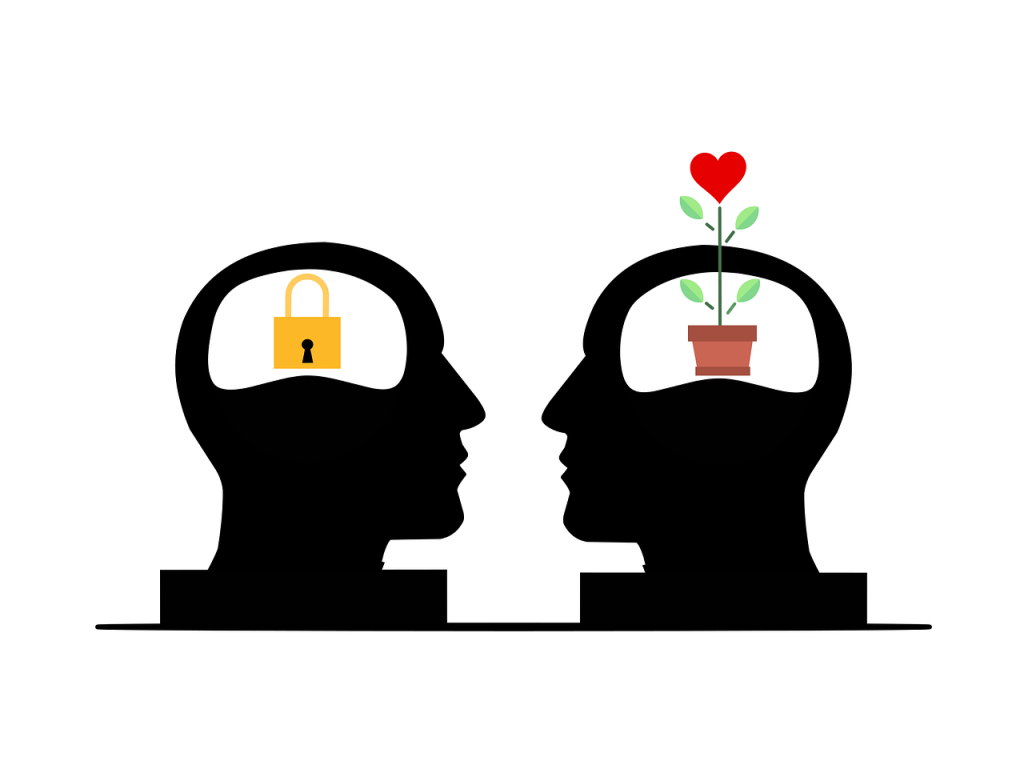
When embarking on the journey of breaking addiction chains, cultivating a growth mindset is crucial for long-term success. A growth mindset is the belief that our abilities and qualities are not fixed traits, but rather can be developed and improved through dedication and effort. Adopting this mindset empowers individuals to approach challenges as opportunities for growth and learning.
One powerful strategy to cultivate a growth mindset is reframing setbacks as valuable learning experiences. Rather than viewing relapses or slip-ups as failures, they can be seen as opportunities to identify triggers or areas that need further attention. By embracing a positive perspective and understanding that setbacks are part of the process, individuals can bounce back stronger, armed with newfound insights.
Cultivating Positive Habits: Strategies to Support Your Journey
When embarking on the path of breaking addiction chains, cultivating positive habits is crucial for long-term success. These habits act as the building blocks of a new and fulfilling life, replacing destructive patterns with constructive actions that promote healing and growth.
One powerful strategy is to create a daily routine that supports your recovery journey. Start by identifying activities that bring you joy and promote well-being. This could include morning meditation, exercise, journaling, or engaging in creative pursuits. By incorporating these positive habits into your day, you not only provide structure but also fill your life with activities that nourish your mind, body, and soul.
Redirecting Negative Thoughts: Tools for Building Resilience
In the journey of breaking addiction chains, one of the most significant challenges is dealing with negative thoughts. These intrusive and self-sabotaging thoughts can easily derail progress and hinder personal growth. However, by employing effective tools to redirect these negative thoughts, one can build resilience and maintain a positive mindset.
One powerful tool in this process is cognitive reframing. This technique involves consciously recognizing negative thoughts and actively replacing them with more positive and empowering ones. By challenging negative beliefs, individuals can reframe their thinking patterns to focus on their strengths and potential for growth. Additionally, practicing mindfulness meditation can help cultivate awareness of these negative thoughts without judgment, allowing individuals to let go of them more easily.

Celebrating Milestones: Recognizing and Rewarding Progress
When embarking on a journey to break free from addiction, it is essential to acknowledge and celebrate the milestones along the way. Every step forward is a testament to your strength and resilience, representing the progress you have made on this transformative path. Recognizing these milestones not only boosts your motivation but also reinforces positive behaviors that contribute to long-lasting change.
One way to celebrate milestones is by setting mini-goals that align with your overall objective. These can be small, achievable targets that mark significant moments of progress. For instance, if you are overcoming substance addiction, a milestone could be successfully completing a month without relapse. When you reach such a milestone, take the time to reflect on your achievement and reward yourself in a meaningful way.
Remember, celebrations don’t have to be extravagant or expensive; they can simply involve doing things you enjoy or treating yourself with self-care practices. Whether it’s indulging in a favorite hobby or taking a day off for relaxation and rejuvenation, make sure the celebration aligns with your values and brings you joy. By acknowledging each milestone reached, you reinforce positive behaviors while cultivating self-compassion and nurturing the belief that lasting change is within your grasp.
Harnessing the Power of Accountability: Building a Supportive Network
When embarking on the journey to break free from addiction, building a supportive network can be a crucial element of success. Accountability is like a safety net that catches us when we stumble and provides the encouragement we need to keep going. By surrounding yourself with individuals who understand your struggles and genuinely want to see you succeed, you create an environment that fosters growth and resilience.
Your supportive network can consist of various elements: trusted friends, family members, support groups, or even professional mentors. These individuals serve as pillars of strength during challenging times, reminding you of your worth and providing practical assistance when needed. They provide the listening ear when you need to vent, offer valuable advice based on their own experiences, and hold you accountable for your behavior-based goals.
Finding Inspiration: Stories of Others Who’ve Broken Addiction Chains
Within the realm of addiction recovery, stories of triumph and resilience serve as beacons of hope for those facing their own battles. These tales shed light on the human capacity for growth, showcasing the transformative power of behavior-based goals. One such story is that of Sarah, a young woman who had battled with alcohol addiction for over a decade.
Sarah’s journey to freedom began when she made a conscious decision to change her life. With the support of a dedicated therapist and a strong network of friends, she embarked on her path to recovery. Through therapy sessions and group meetings, Sarah learned to identify her triggers and embrace behavior-based goals. She set out to replace her destructive habits with healthier alternatives, such as yoga and meditation.
Conclusion
In conclusion, breaking the chains of addiction is a challenging journey that requires dedication, self-awareness, and a commitment to personal growth. By embracing behavior-based goals as the blueprint for change, individuals can take control of their lives and pave the way to lasting recovery. Remember, every small step counts – whether it’s identifying triggers, setting goals, cultivating positive habits, or finding inspiration in others’ success stories. With perseverance and support, you have the power to overcome addiction and create a brighter future filled with hope and fulfillment. So take that first step today towards breaking free from the chains that bind you and embrace a life of freedom and possibility.
Need A Step by Step Monthly Planner to Help You Set Goals?
Visit Our Bookstore to Get Your Monthly Planner ! https://myrecoveryroad.com/product/monthly-action-planner-for-addiction-recovery/

The Road MAP and The Recovery Road
It’s time for a change, a new beginning it’s time to set Goals!
Just like a road map that helps you on your journey, you need a MAP, Monthly Action Planner to map out where you are today in your recovery and where you want to be tomorrow. You have all these plans and goals in your mind, writing them down brings focus, helping you map out the right directions for a new life in recovery.
Monthly Action Planner is a 12-Month Planner that focuses on the 5 areas of Recovery that include Spiritual, Personal, Financial, Recovery, and Work Goals.
Setting personal recovery goals helps you to start reclaiming a sense of purpose and improving your quality of life. Setting goals each month helps you work on areas of your life in smaller steps, so you won’t be overwhelmed or discouraged if your goals aren’t met. Monthly Action Planner shows how to improve your chances of achieving the goals you set by introducing behavior-based goals and mindset.
What are behavior-based goals? They are goals thatwill help you create positive change in your habits and behaviors,which will help you in your attitude to meet the goals you want to achieve.
What is a mindset? Your mindset plays a major role in how you cope with challenges. Your mindset is the force behind whether you thrive or avoid challenges, how you view failures and setbacks and how you persevere toward your goals. Your mindset determines how successful you will be in every area of your life.
By changing your mindset and setting behavior-based goals you will accomplish your goals and will be successful in your new life in recovery.