Connect with us

Featured

Your Fork: Friend or Foe to Your Feelings

Ever experienced a sudden shift in mood after indulging in your favorite comfort food? The connection between what we eat and how we feel is a complex yet fascinating one. In this article, we delve into the intriguing world of how certain foods can significantly impact our emotional well-being.

Get ready to uncover the science behind why that bowl of leafy greens or decadent square of dark chocolate might just hold the key to a brighter, more balanced state of mind. From exploring the gut-brain connection to discovering the power of mood-boosting superfoods, embark on a journey that promises insights, strategies, and a newfound appreciation for the profound influence our diets have on our overall happiness.

The Gut-Brain Connection: How Your Digestive System Impacts Your Mood
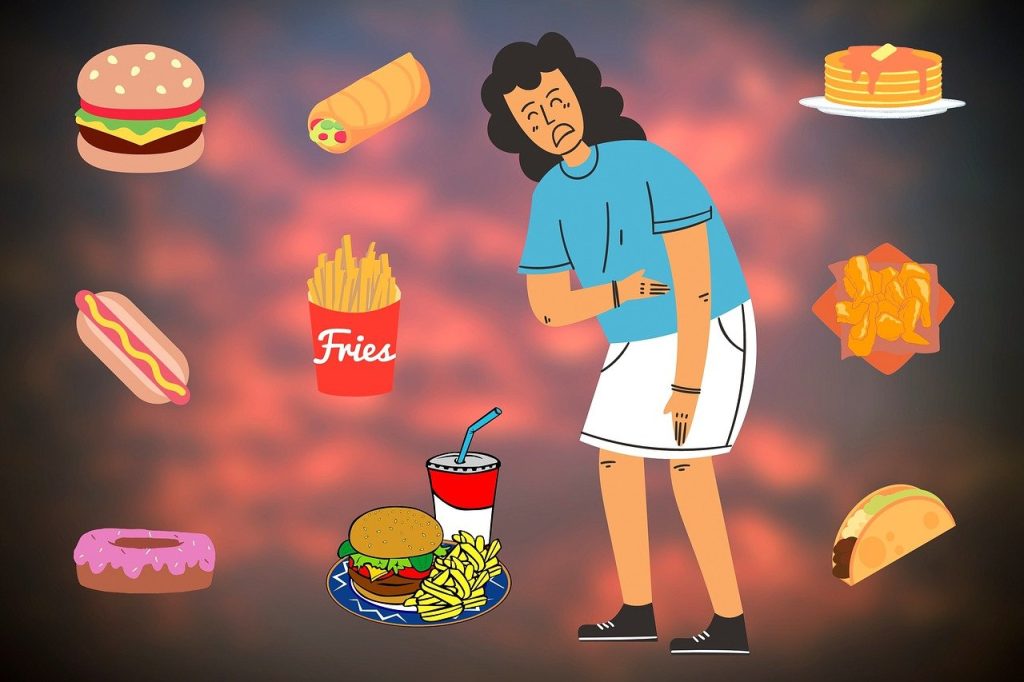
Our digestive system is not just responsible for processing food; it also plays a crucial role in shaping our mood and emotional well-being. The gut-brain connection, known as the enteric nervous system, communicates bidirectionally with the central nervous system, influencing our thoughts and feelings. Research suggests that a healthy gut contributes to better mental health by producing neurotransmitters like serotonin and regulating inflammation.

Furthermore, disruptions in gut health have been linked to conditions such as anxiety and depression. By nurturing our gut with probiotic-rich foods like yogurt, kefir, and kimchi, we can support a flourishing microbial ecosystem that positively impacts our mood. Maintaining a balanced diet with plenty of fiber from fruits, vegetables, and whole grains is key to promoting gut health and fostering a harmonious relationship between our digestive system and brain.

Serotonin and Dopamine: The Happy Hormones

Serotonin and dopamine are neurotransmitters known as the “happy hormones” due to their role in regulating mood and emotions. Serotonin helps to promote feelings of well-being and happiness, while dopamine is associated with pleasure and reward. Both play a crucial role in maintaining a positive outlook on life.

Consuming foods that support the production of serotonin and dopamine can have a direct impact on your mood. Foods rich in tryptophan, such as turkey, nuts, and seeds, can boost serotonin levels. Meanwhile, dopamine production can be supported by foods high in tyrosine, like bananas, avocados, and eggs. By incorporating these nutrient-rich foods into your diet, you can enhance your brain’s ability to regulate mood and experience greater emotional resilience.

Foods That Boost Your Mood: A Guide to Nutrient-Rich Options

When it comes to enhancing your mood through food, incorporating nutrient-rich options can make a significant difference. Foods high in omega-3 fatty acids, such as salmon and walnuts, have been linked to lower rates of depression and anxiety. Additionally, dark leafy greens like spinach and kale are packed with magnesium, a mineral known for its calming effects on the nervous system.

Include vibrant berries in your diet for a dose of antioxidants that can combat oxidative stress and inflammation in the body, ultimately benefiting your mental well-being. Legumes like lentils and chickpeas provide a steady source of energy due to their high fiber and protein content, helping stabilize blood sugar levels and prevent mood swings. By prioritizing these nutrient-dense foods, you can nourish both your body and mind for optimal emotional health.

Mindful Eating: How Slowing Down Can Improve Your Emotional Well-Being

Embracing the practice of mindful eating involves savoring each bite, appreciating the flavors and textures, and truly engaging with your meal. By slowing down and paying attention to what you are consuming, you can enhance your emotional well-being. When you eat mindfully, you are more likely to make healthier food choices, leading to a positive impact on your mood and overall outlook on life.

Take a moment to pause before diving into your meal. Notice the colors on your plate, inhale the aromas, and chew slowly to fully experience the taste sensations. Mindful eating not only nourishes your body but also nourishes your soul. It allows you to cultivate a deeper connection with food and promotes gratitude for the sustenance it provides. Let each meal be a moment of mindfulness and self-care, bringing joy and contentment to your daily routine.

Hydration and Mood: The Surprising Link Between Water Intake and Emotions

Water, the elixir of life, not only quenches your physical thirst but also plays a crucial role in regulating your mood. Dehydration has been linked to increased feelings of anxiety, fatigue, and irritability. Studies suggest that even mild dehydration can negatively impact cognitive function and mood stability.

Ensuring adequate hydration levels throughout the day can enhance your overall well-being, leading to improved focus, concentration, and a more positive outlook on life. By simply sipping on water regularly, you are not just nourishing your body but also uplifting your spirits. Remember, staying hydrated is not just about maintaining physical health; it’s about nurturing your emotional wellness too.

The Power of Superfoods: Incorporating Mood-Boosting Ingredients Into Your Diet

Superfoods are nutrient-dense ingredients that can positively impact your mood and overall well-being. Incorporating these powerhouse foods into your daily diet can provide a natural boost to your mental health. Foods like berries, leafy greens, fatty fish, and nuts are rich in antioxidants, omega-3 fatty acids, and vitamins that support brain function and help regulate neurotransmitters linked to mood.

By including superfoods in your meals, you not only enhance your physical health but also uplift your spirits. Imagine starting your day with a vibrant smoothie bowl packed with colorful fruits and seeds, or enjoying a nourishing salad loaded with avocado and quinoa for lunch. These delicious choices not only nourish your body but also feed your soul, leaving you feeling energized and emotionally balanced.

Meal Planning for Better Mental Health: Strategies for Creating Balanced and Nourishing Plates

Creating balanced and nourishing plates is essential for supporting optimal mental health. Start by incorporating a variety of colorful fruits and vegetables to ensure you are getting a wide range of vitamins, minerals, and antioxidants. Aim to include lean proteins such as chicken, fish, or tofu to support neurotransmitter function and stabilize blood sugar levels.

Additionally, don’t forget to include healthy fats like avocados, nuts, and olive oil in your meals. These fats are crucial for brain health and can help improve cognitive function. Lastly, consider portion control and mindful eating practices to savor each bite and appreciate the nourishment you are providing your body. By taking the time to plan balanced meals, you are not only supporting your physical health but also enhancing your mood and overall well-being.

Building Healthy Habits: Small Changes That Can Make a Big Difference

When it comes to improving your mood through diet, incorporating small but consistent healthy habits can have a profound impact on your overall well-being. Start by adding colorful fruits and vegetables to each meal, aiming for a variety of nutrients that support brain health. Swap sugary snacks for handfuls of nuts or seeds rich in omega-3 fatty acids, known for their mood-boosting properties.

Additionally, prioritize mindful eating by savoring each bite and paying attention to hunger cues. Setting a regular eating schedule can help stabilize blood sugar levels and prevent mood swings. Remember, building healthy habits is about progress, not perfection—celebrate every positive choice you make towards nourishing both your body and mind.

As we conclude our exploration of how certain foods can impact our mood, it becomes evident that our dietary choices play a crucial role in our emotional well-being. By understanding the intricate relationship between what we eat and how we feel, we empower ourselves to make informed decisions for a healthier mind and body.

By incorporating nutrient-rich foods, practicing mindful eating habits, and prioritizing hydration, we can cultivate a positive environment within ourselves that promotes mental clarity and emotional stability. Remember that small changes in your diet can lead to significant improvements in your overall mood and quality of life. Embrace the power of food as a tool for nourishing not just your body, but also your soul.

Visit Our Bookstore – https://myrecoveryroad.com/shop/

Wellness Tracker

On the Recovery Road? Need Encouragement? Need to Track Food, Mood and H2O intake?

Tracker & Journal

God’s Promises for the Recovery Road

3 in One Journal/Tracker/Coloring Pages

Coloring Pages

Make this Journal Yours!  The Front and Back Cover designed for you to color and make it your Recovery Journey

Wellness Tracker & List

Identify Unhealthy Self-Talk and Replace it with Healthy Thoughts

Food, Mood, Sleep, and Water Tracker

To Do List

Grateful List

Journal

Lined Journal/Notebook/Dairy

Faith & Recovery

Realistic New Beginnings

Realistic New Beginnings: Hope That Holds in Recovery

For anyone walking the road of addiction recovery, the phrase new beginning can sound both beautiful and dangerous. Beautiful, because deep down every wounded heart longs for a fresh start. Dangerous, because many people in recovery have already been promised new beginnings that never came. They tried willpower. They tried rehab. They tried vows, bargains, and resolutions. Some even tried faith. And still they found themselves right back where they started, ashamed, exhausted, and wondering if change is really possible.

So what does a realistic new beginning look like?

It does not mean instant perfection. It does not mean never struggling again. It does not mean becoming someone else overnight. A realistic new beginning is something far deeper and far more hopeful. It means that, even in the middle of weakness, a new story is being written.

In recovery, a new beginning is not about erasing the past. It is about being freed from being ruled by it.

Why new beginnings feel impossible

Addiction does not just damage the body. It reshapes the brain, the nervous system, and the sense of self. Over time, people stop believing they are capable of real change. Relapse is not just a return to substances. It is a return to hopelessness. Each failure reinforces the lie that this is just who I am.

Shame cements that lie. When people feel broken beyond repair, they stop trying. They stop dreaming. They stop believing that God, others, or even their own future could be different.

That is why recovery is not just behavioral. It is spiritual and emotional. Before a person can live differently, they must begin to see themselves differently.

A realistic new beginning starts with a new identity.

New beginnings are about direction, not perfection

One of the biggest traps in recovery is the belief that starting over means doing everything right from now on. When someone falls, they feel as if they have lost everything. But that is not how healing works.

Think of recovery like turning a ship. A massive vessel does not change course in one second. It begins with a small shift in the wheel. The ship is still moving forward while it turns. Sometimes waves push it off course. But the direction has changed, and that changes everything.

A realistic new beginning is not about never making mistakes again. It is about no longer traveling toward destruction.

Every time someone chooses honesty instead of hiding, help instead of isolation, or surrender instead of control, the ship turns a little more. Over time, that new direction leads to a new destination.

Hope that is anchored, not imagined

Many people in addiction have learned to hope in things that could not hold them, drugs, relationships, money, or even their own willpower. When those hopes collapse, they become afraid to hope again.

But real hope is not wishful thinking. Real hope is anchored.

In recovery, hope is anchored in three truths.

First, that healing is possible.
Second, that they are not alone.
Third, that God is not finished with them.

Scripture says that God makes all things new. That does not mean He makes them easy. It means He makes them redeemed. Even the broken pieces become part of something beautiful.

A realistic new beginning is not built on optimism. It is built on trust in a God who restores.

Why the past does not disqualify the future

One of the cruelest lies of addiction is that your past defines your future. But the Bible is filled with people whose failures became the foundation of their calling. Moses was a murderer. David was an adulterer. Peter was a denier. Paul was a persecutor.

None of them were chosen because they were clean. They were chosen because they were willing.

Recovery works the same way. God does not wait until someone is healed before He begins to use them. He heals them as He uses them. The process itself becomes the testimony.

A realistic new beginning is not about having no scars. It is about letting God use them.

The courage to begin again

Every day in recovery requires courage. Not heroic courage. Honest courage. The courage to tell the truth. The courage to ask for help. The courage to face feelings that were once numbed by substances. The courage to believe that tomorrow could be different.

Sometimes the bravest thing a person can do is wake up and try again.

A realistic new beginning is made up of many small beginnings. One prayer. One meeting. One honest conversation. One surrendered choice.

These are not small things. They are the building blocks of a new life.

When faith meets recovery

For many in recovery, faith has been tangled with disappointment. Some prayed and still relapsed. Some believed and still suffered. But faith is not a vending machine. It is a relationship.

Recovery is not about asking God to fix everything instantly. It is about walking with Him through the process of becoming whole.

Jesus did not just forgive people. He healed them. He restored them. He gave them a new way of living. That is the kind of new beginning that lasts.

In recovery, faith is not about pretending everything is fine. It is about trusting that God is present even when things are not.

A future that is still being written

No matter how long someone has struggled, their story is not over. The fact that they are still breathing means there is still hope. There is still purpose. There is still something God wants to do through them.

A realistic new beginning does not promise a pain free life. It promises a meaningful one. It promises that even the hardest chapters can be redeemed.

For anyone in recovery reading this, you are not behind. You are not broken beyond repair. You are not too late.

You are in the middle of a story that is still being written and every day you choose healing, surrender, and truth, you are stepping into a new beginning that is real, lasting, and full of hope.

Continue Reading

Faith & Recovery

The Holidays and Recovery: Finding Hope, Strength, and Jesus in a Challenging Season

For many people, the holidays are wrapped in warmth—lights, laughter, parties, meals, family gatherings, and traditions. But for others, especially those walking the recovery road, the holidays can feel complicated. A season intended to bring joy can instead stir anxiety, loneliness, grief, financial stress, or memories of a past shaped by addiction. The contrast is often overwhelming: the world is celebrating while your heart may still be healing.

Yet it is in this very tension that the message of Christmas and the hope of Jesus shine the brightest. Recovery isn’t suspended during the holiday season, it continues, often with more intensity. But the good news is this: Jesus meets you in the very place where your heart feels stretched the most. The same Savior who came into a broken world comes into your broken places today with peace, strength, and restoration.

  1. Holidays Expose Our Triggers—But They Also Reveal Our Deepest Need for Jesus

For many in recovery, the holidays bring a flood of emotional triggers: gatherings where alcohol is present, strained family dynamics, shame over the past, loneliness, or a painful sense of not fitting in. Even sights and sounds—Christmas music, certain foods, old traditions—can stir memories of who you used to be or seasons marked by addiction.

But triggers aren’t signs of failure; they’re signals of need.

The first three steps of recovery tell the truth we often avoid: I can’t do this alone. I need a power greater than myself. Christmas reminds us that this Power has a name—Jesus.

  • He came into darkness, not light.
  • He came into human weakness, not strength.
  • He came into messiness, not perfection.

The holiday season reveals our humanity, but that is exactly where the Savior enters.
When you feel overwhelmed, you are positioned to experience His nearness in a deeper way.

“The Lord is close to the brokenhearted and saves those who are crushed in spirit” (Psalm 34:18).

Christmas is God’s declaration that He refuses to leave you alone in your struggle.

  1. Jesus the Savior Comes to Rescue You—Right in the Holidays

The birth of Jesus is more than a heartwarming nativity scene—it is God launching a rescue mission. The Savior entered the world not for people who had it all together, but for those who were sinking.

In recovery, you may feel the weight of expectations during Christmas:
I should be further along by now. I should be stronger. I shouldn’t still struggle.

But Jesus doesn’t come with shame; He comes with rescue.

He steps into your holiday stress, emotional overwhelm, cravings, relational wounds, and fears with the same invitation He offered Peter as he sank in the waves: “Take courage… I am here” (Matthew 14:27).

Your recovery doesn’t pause for Christmas—but neither does His saving grace.
Each day of the season, He extends His hand. Each moment, He whispers, “I came for you.”

  1. The Holy Spirit Empowers You When You Feel Weak

Christmas celebrates Jesus coming to earth, but it also points forward to the gift of the Holy Spirit—God’s empowering presence in your daily recovery.

Holidays can drain emotional and mental strength.
Old patterns try to re-emerge.
Stress piles up.
Temptations grow louder.

But the Holy Spirit grows stronger in the surrendered heart.

When you feel:

  • Weak → He becomes your strength
  • Confused → He becomes your guide
  • Triggered → He becomes your peace
  • Tempted → He becomes your power
  • Lonely → He becomes your Comforter

“Not by might, nor by power, but by my Spirit,” says the Lord (Zechariah 4:6).

Your recovery during the holidays isn’t sustained by willpower—but by the Holy Spirit filling the places where your natural ability falls short.

He empowers you to choose boundaries.
He empowers you to choose honesty.
He empowers you to choose peace over chaos, prayer over panic, and surrender over self-reliance.

  1. Jesus the Healer Restores What the Holidays Bring to the Surface

The holidays often reopen old wounds—loss, trauma, rejection, abandonment, disappointments, or the ache of what “should have been.” Recovery is not just about staying sober; it’s about allowing Jesus to heal the deeper roots that once drove addiction.

This season, let Jesus be your Healer:

  • He heals grief.
  • He heals memories.
  • He heals family hurt.
  • He heals emotional triggers.
  • He heals the lies you still believe about yourself.

“He heals the brokenhearted and binds up their wounds” (Psalm 147:3).

Healing rarely happens in quiet seasons—it often happens in the messy ones.
So if this holiday feels heavy, don’t assume something is wrong. It may be the place Jesus is ready to do His deepest work.

  1. You Can Create a Christ-Centered Recovery Plan for the Holidays

Recovery doesn’t happen accidentally—it happens intentionally.

Here are spiritually grounded steps to stay steady through the season:

  1. Start each day with Scripture before anything else.

Set your mind on truth before stress has a chance to speak.

  1. Pray simple, honest prayers.

“Jesus, lead me. Strengthen me. Keep me sober. Heal what hurts.”

  1. Stay connected to safe people.

Isolation is one of the enemy’s favorite holiday weapons.

  1. Have a boundary plan.

Decide ahead of time what you will and will not participate in.

  1. Use Step 10 daily.

A quick spiritual inventory keeps you grounded and honest.

  1. Serve someone else.

Helping another person breaks the power of self-focus and strengthens your recovery.

  1. Stay aware of HALT (Hungry, Angry, Lonely, Tired).

Holidays heighten all four—name them early.

Jesus doesn’t ask you to survive the holidays—He strengthens you to walk through them with clarity, confidence, and His presence.

  1. The Hope of Christmas Is the Hope of Recovery

Christmas tells the truest story of recovery:

  • Light shines into darkness.
  • Hope breaks into despair.
  • God comes near to the broken.
  • Restoration begins in unexpected places.
  • Healing starts with surrender.
  • A Savior comes to rescue, empower, and restore.

No matter what your holidays have looked like in the past, Jesus offers you something new this year:
Peace that surpasses understanding.
Strength beyond your own.
Healing that reaches your deepest places.
And hope that is stronger than addiction.

You’re not walking this season alone.
You’re not fighting for freedom by yourself.
And you’re not left to navigate holiday stress in your own strength.

Jesus came for you.
Jesus stays with you.
And Jesus will carry you through.

This is the message of Christmas.
This is the promise of recovery.

Continue Reading

Faith & Recovery

A Journey of Surrender: 12 Steps + 12 Songs + 1 Higher Power

Music Album Cover

“A Journey of Surrender” 12 Steps + 12 Songs + 1 Higher Power isn’t just an album, it’s a powerful, musical guide through the 12 steps. Each song speaks to the raw emotions of addiction, the humbling realization of powerlessness, and the hope of recovery.

This album, composed by songwriter and ordained minister John Lippard, shares his personal story of healing through music and spirituality.

Not your same old recovery routine, don’t wait another day, break up your routine today! Recovery Through Music and Faith.

With the “A Journey of Surrender Song Analysis Workbook,” you’ll explore each step, guided by the transformative power of Jesus as your Higher Power.

Here’s what you’ll discover:

* A unique musical experience that deepens your understanding of the 12 Steps

* A personal connection with Jesus Christ

* Deeper understanding of the spiritual principles of recovery

* Practical tools and exercises for daily life

This workbook is your guide to lasting peace.

Find your own path to surrender and find lasting peace. Get your copy of “A Journey of Surrender” today!

A Journey of Surrender 12 Steps 12 Songs 1 Higher Power CD

A 12-Step Song Study: A Journey of Surrender Workbook

Continue Reading

Trending

Copyright © 2026 My Recovery Road